

Two-sided marketplaces — also known as multi-sided platforms — have completely reshaped how businesses connect buyers and sellers.
Think of Airbnb, Uber, or Fiverr: these platforms have built billion-dollar ecosystems without owning what they sell. They turn technology into trust, data into growth, and users into communities
According to PwC, the sharing economy, powered by two-sided marketplaces, could reach $335 billion in revenue by 2025, underscoring how quickly this business model is expanding.
A two-sided marketplace is more than a digital store — it’s an evolving ecosystem where every new user increases the value for everyone else.
If you’re thinking about building your own marketplace, understanding how this model works is essential. Two-sided platforms power everything from global giants to niche B2B ecosystems — and they offer valuable lessons for anyone scaling from a simple online store to a full-fledged marketplace.
What Is a Two-Sided Marketplace?
A two-sided marketplace is an online platform that facilitates interactions between two distinct groups — typically sellers (or service providers) and buyers (or clients). These groups depend on each other to create and exchange value, and the platform serves as the trusted intermediary that enables discovery, communication, and secure transactions.
The power of this model lies in its network effect — when more sellers join, the platform becomes more attractive to buyers; and when more buyers arrive, it draws even more sellers. This feedback loop accelerates growth, creating a self-sustaining ecosystem.
Unlike traditional eCommerce, where a single company sells its own goods, two-sided marketplaces build bridges — connecting people, skills, and resources at scale.
How a Two-Sided Marketplace Works
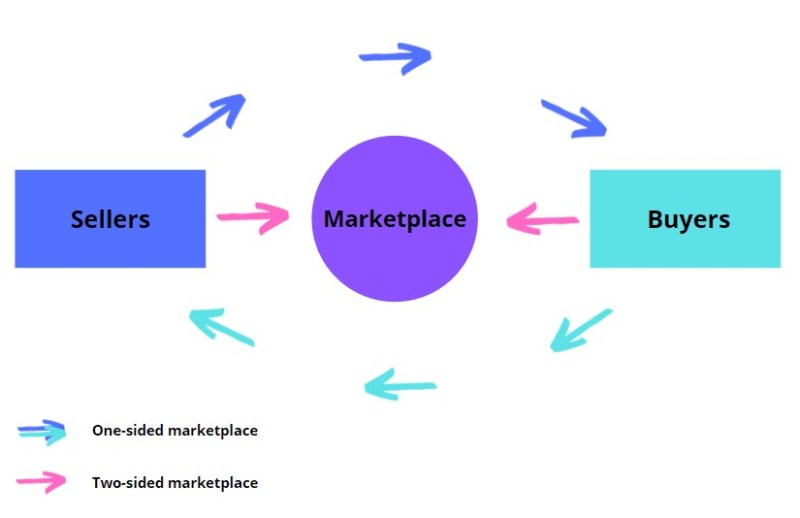
At its core, a two-sided marketplace creates value through networking. The more users join one side, the more attractive the platform becomes to the other:
- More sellers attract more buyers by offering a wider product variety and competitive prices.
- More buyers attract more sellers, who see increased sales opportunities.
The primary function of a marketplace is to effectively balance supply and demand, ensuring that both buyers and sellers derive consistent value, while the platform sustains its growth through transaction fees, subscriptions, or commission-based revenue. If you want to turn that balance into predictable growth, you’ll need a marketplace marketing strategy.
For example, Airbnb doesn’t own properties; it connects hosts with travelers. Uber doesn’t employ drivers; it connects them with riders. The platform provides the infrastructure — listings, payments, ratings, and customer support — that make these interactions seamless.
Key Characteristics of Two-Sided Platforms
- Interdependence. Each user group relies on the other to create value.
- Mediated Transactions. The platform facilitates payments, logistics, and communication.
- Network Effects. Growth on one side increases value for the other.
- Scalability. The model supports rapid expansion with relatively low marginal costs.
- Trust Mechanisms. Reviews, ratings, and secure payments build credibility.
- Data Insights. The platform collects behavioral data to improve matching and personalization.
In short, the platform succeeds when both sides grow, creating a healthy, self-sustaining ecosystem.
Two-Sided vs. One-Sided Marketplaces
A one-sided marketplace serves only one primary user group. For instance, an online store like Zara.com focuses on selling directly to consumers without involving third-party sellers.
A two-sided marketplace, by contrast, mediates between two active user groups — like sellers and buyers — and must keep both engaged. This introduces complexity in operations, marketing, and monetization, but also brings scalability and diversification that one-sided models can’t achieve.
Two-Sided vs. Multi-Sided Marketplaces
While “two-sided” refers to platforms with two main user groups, some ecosystems evolve into multi-sided marketplaces, adding additional roles or layers of interaction.
For example, Amazon started as a two-sided platform (buyers and sellers) and evolved into a multi-sided one with advertisers, affiliates, and logistics partners.
B2B marketplaces may add manufacturers, distributors, and resellers as separate but interconnected sides.
A two-sided marketplace can thus become the foundation for a larger ecosystem — a step toward multi-sided commerce.
Two-Sided Marketplace Examples
Many successful two-sided marketplace companies have proven how this model can scale across different industries and user types. Let’s look at some of the most well-known platforms that illustrate how this model works in practice.
Airbnb
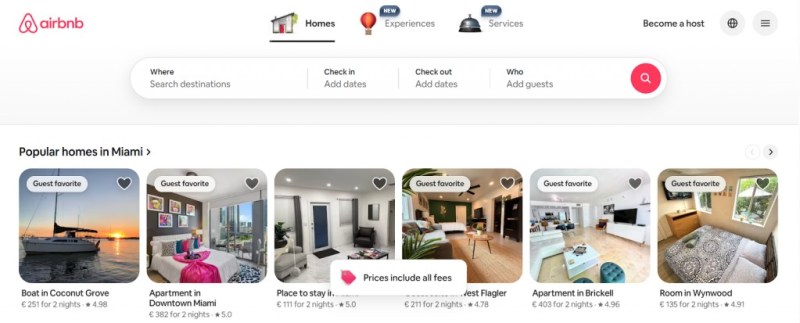
Airbnb connects hosts offering accommodations with travelers seeking unique stays. The platform provides listing tools, reviews, secure payments, and customer support — making it safe and simple for individuals to rent out their spaces.
- Value for hosts: monetize unused property with minimal effort.
- Value for guests: access to affordable, authentic stays worldwide.
- Monetization: service fees on each booking.
The company’s success comes from building trust at scale — through ratings, insurance, and verified profiles — turning private homes into a global hospitality network.
Read more: Global Marketplace: The Good, The Bad, and The Complicated
Uber
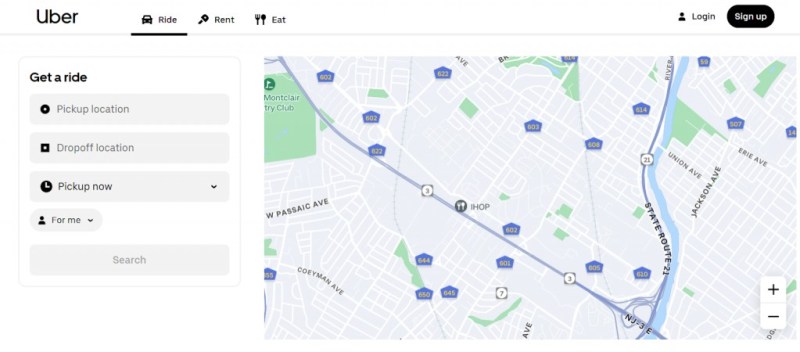
Uber operates as a two-sided marketplace that matches drivers and riders in real time.
- Value for drivers: flexible income opportunities.
- Value for riders: — convenient, fast, and cashless rides.
- Monetization: Uber takes a commission from each fare.
Its success relies on an algorithm that balances local supply and demand in real time — a hallmark of two-sided platforms.
Fiverr

Fiverr is a digital services marketplace that connects freelancers with businesses.
- Value for sellers (freelancers): a ready audience and secure payment system.
- Value for buyers (clients): access to affordable, specialized digital talent.
- Monetization: Fiverr takes a transaction fee from both sides.
This model demonstrates how digital goods and services can thrive in two-sided ecosystems where trust and reputation are vital.
Etsy
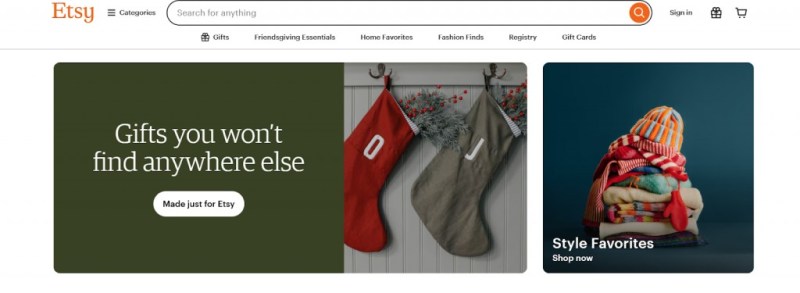
Etsy empowers artisans and small brands to sell handmade and creative goods online.
- Value for sellers: a global marketplace built specifically for handmade and vintage products.
- Value for buyers: unique, high-quality items unavailable on mass-market platforms.
- Monetization: listing and transaction fees.
Etsy’s strength lies in its niche community and emotional connection between creators and buyers — an example of how focus and brand identity can drive success in two-sided markets.
BlaBlaCar
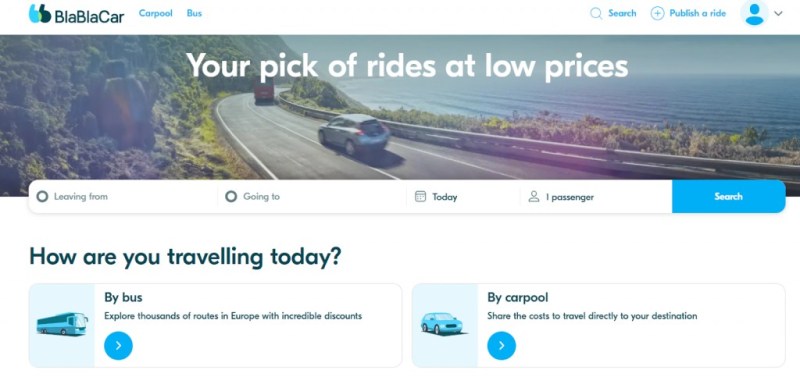
BlaBlaCar connects car owners with empty seats to travelers heading in the same direction.
- Value for drivers: offset travel costs.
- Value for passengers: affordable long-distance rides.
- Monetization: booking fees or commissions.
By promoting community and sustainability, BlaBlaCar shows how shared economy principles can power scalable, two-sided marketplace business models.
Other Two-Sided Marketplace Examples
Beyond the global giants, the two-sided marketplace model has proven successful across many industries.
Turo, for example, is a peer-to-peer car-sharing platform where vehicle owners rent their cars directly to drivers. For owners, it turns an idle asset into an income stream; for renters, it offers accessible, local cars without traditional rental markups. Turo monetizes the process by taking a percentage of each rental, illustrating how marketplace dynamics can democratize access and shift value from institutions to individuals.

In the professional services space, Upwork connects freelancers with businesses seeking talent. Freelancers gain access to global project opportunities and secure contracts, while clients can quickly find verified specialists with clear pricing and safe payments. The platform generates revenue through commissions and service fees, highlighting how two-sided marketplaces thrive in the digital services economy by efficiently matching skills with demand.

A similar structure works in education through Udemy, an online learning marketplace where instructors publish courses and students access thousands of learning programs at affordable prices. Instructors can monetize expertise without needing technical infrastructure, and Udemy earns a share of each sale. This model shows how user-generated content can scale into knowledge-driven ecosystems.

Patreon applies the two-sided approach to creative communities. Creators, such as artists, podcasters, and writers, receive recurring income from fans, while supporters gain exclusive content and a closer connection to the creator. Patreon takes a platform fee from creator earnings, demonstrating how two-sided marketplaces can be built around ongoing community value rather than one-time transactions.
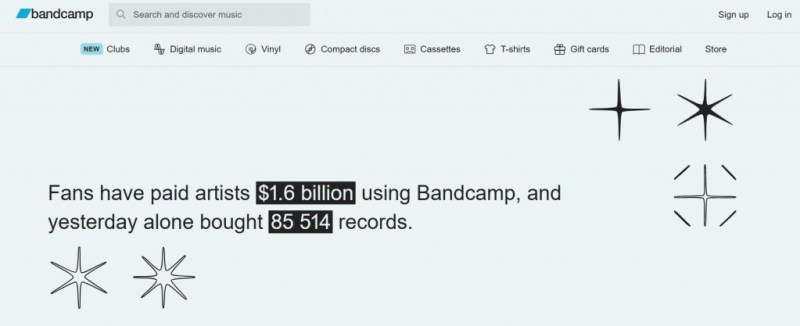
In music, Bandcamp enables independent artists to sell tracks, albums, and merchandise directly to listeners. Musicians maintain control over pricing and branding, while audiences can support artists they believe in. Revenue comes from transaction fees and revenue share, showing how creator-first marketplaces empower independent industries.
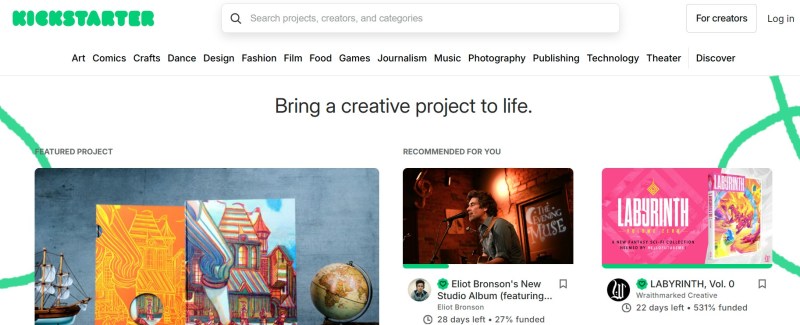
Kickstarter uses the model for crowdfunding. Founders validate ideas and raise capital without traditional investors, while backers support innovation in exchange for early access to products. The platform collects a commission on successfully funded campaigns, proving that two-sided marketplaces can also facilitate trust-based funding ecosystems where alignment and transparency drive participation.
Benefits of the Two-Sided Marketplace Model
Two-sided marketplaces create value for platform owners and for the sellers and buyers who participate. The model’s scalability, efficiency, and network-driven growth make it one of the most powerful business structures in digital commerce today.
Advantages for Marketplace Owners
- Scalable Growth. Unlike traditional eCommerce, where the operator manages its own inventory, a two-sided marketplace grows as more sellers and buyers join. This enables rapid expansion without proportional increases in costs.
- Diverse Revenue Streams. Marketplace owners can monetize transactions through commissions, listing fees, subscriptions, ads, or premium services — creating a mix of predictable and performance-based income.
- Network Effects. Each new user enhances the platform’s value for others, making the marketplace more competitive and harder to replicate.
- Data-Driven Insights. Owners gain deep visibility into consumer behavior, product trends, and seller performance — enabling smarter marketing, curation, and optimization.
- Lower Operational Risk. Since inventory and fulfillment are handled by sellers, the operator focuses on maintaining the ecosystem, reducing the risks of overstock, logistics, and supply management. However, the risk profile shifts toward curation, policy enforcement, and dispute resolution.
Advantages for Sellers or Service Providers
- Instant Access to Buyers. Sellers can reach a broad audience without building or maintaining their own eCommerce site.
- Reduced Marketing Costs. The platform’s built-in traffic, SEO, and reputation help sellers acquire customers more efficiently.
- Trust and Security. Integrated payment systems, customer reviews, and marketplace protection policies increase transaction safety.
- Operational Tools. Sellers benefit from analytics, dashboards, and automation tools that simplify pricing, inventory, and fulfillment.
- Brand Visibility and Growth. Being part of a well-known marketplace enhances credibility and accelerates business scaling.
Advantages for Buyers
- Greater Choice. Buyers can access a wide selection of products and services in one place — often with transparent ratings and reviews.
- Competitive Pricing. Multiple sellers offering similar products lead to better prices and promotions.
- Convenience. Marketplaces centralize search, comparison, checkout, and support — creating a frictionless experience.
- Trust and Accountability. Verified sellers, payment protection, and public reviews minimize buyers’ risks.
- Personalized Experience. Platforms analyze user data to deliver more relevant offers and smarter recommendations.
Challenges of Two-Sided Marketplaces
While the two-sided model offers major advantages, it also comes with operational and strategic challenges. Successful platforms must solve these early to ensure long-term stability.
The Chicken-and-Egg Problem
One of the biggest challenges in launching a two-sided marketplace is attracting both sides simultaneously.
- Without enough sellers, buyers see little value.
- Without buyers, sellers have no incentive to join.
Leading platforms often start by focusing on one side — typically the supply — and use incentives, partnerships, or exclusive deals to kick-start the other side.
Platform Leakage (Off-Platform Transactions)
When users meet on the platform but complete transactions elsewhere (to avoid fees), the marketplace loses revenue and control.
To prevent this:
- Provide added value during transactions (secure payments, protection, support).
- Build trust mechanisms that make staying on-platform safer and easier than going off it.
Maintaining Trust and Quality Control
Trust is the foundation of any two-sided platform. Maintaining it means:
- Verifying sellers and listings.
- Moderating content and reviews.
- Enforcing dispute resolution and refund policies.
As marketplaces scale, automated moderation and clear policies become essential to maintaining consistent quality. Many platforms also use automated review moderation, ID or business verification, and escrow-style payment holds to maintain trust at scale.
Balancing Supply and Demand
A healthy marketplace depends on equilibrium — too many sellers without enough buyers (or vice versa) leads to dissatisfaction.
Platforms can use data analytics, targeted marketing, and pricing algorithms to balance both sides. Marketplace liquidity — the probability that a buyer finds what they want and a seller completes a transaction — is a core indicator of marketplace health. This is one of the two-sided marketplace unique challenges Uber had to solve when scaling city by city. The company continuously adjusted driver availability, pricing, and wait times to maintain liquidity on both sides of the platform. Seasonal trends, regional demand, and user behavior insights help maintain this equilibrium dynamically.
How to Choose Two-Sided Marketplace Software
What Is Two-Sided Marketplace Software?
Marketplace software designed for a two-sided (or multi-sided) model is a platform that enables you as the marketplace owner to host multiple sellers/service providers, allow them to register, list products or services, manage orders, and serve a shared pool of buyers/customers — while you control the commission, platform rules, vendor onboarding, payouts, and ecosystem dynamics.
This should be a system built to scale with multiple vendors and two (or more) sides interacting.
Essential Features for a Two-Sided Platform
When you evaluate marketplace software, look for features that enable you to support both sides of the marketplace while retaining control, flexibility, and scalability. Key capabilities include:
- Vendor/Seller registration & dashboard that allows independent sellers to upload products/services, manage inventory, orders, returns, payouts.
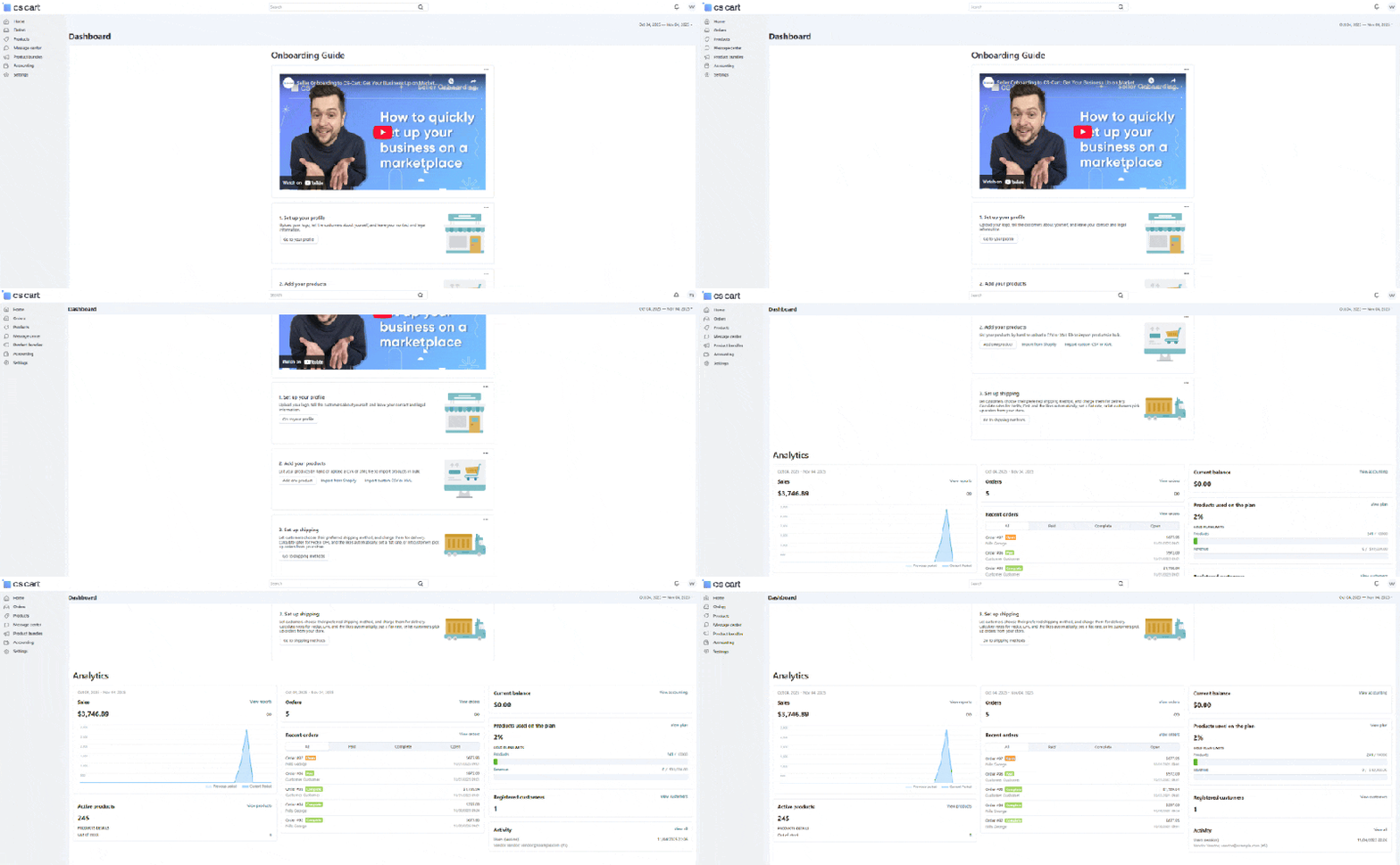
- Commission management & payout system so you can define how and when you earn from each transaction (commission, subscription, listing fee).
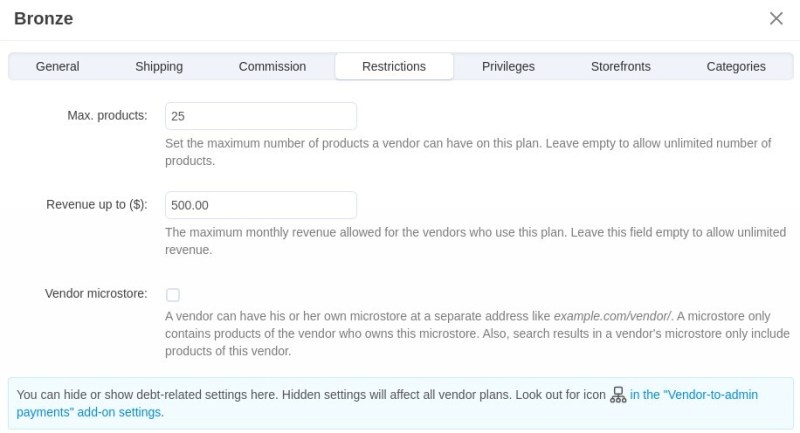
- Multi-vendor catalog & storefronts where multiple sellers share the platform but can display their listings, branding, or mini-stores.
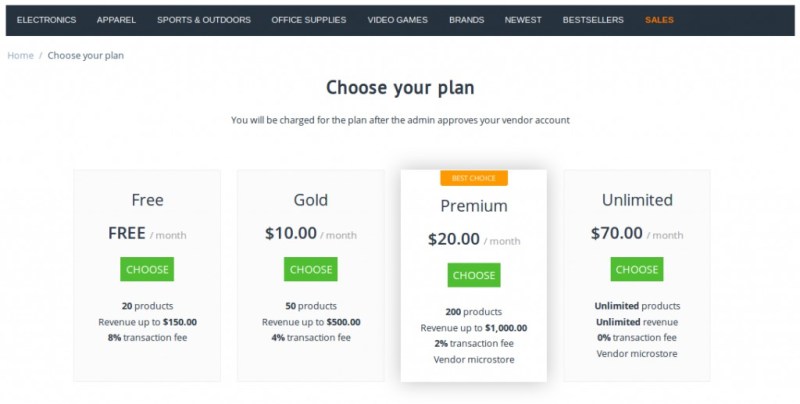
- Order and fulfillment workflows that support split shipments, vendor-specific shipping methods, and combined checkouts across vendors. For example, the platform may allow a single order to include items shipped by different vendors.
- Payment processing & vendor payout automation (including holding funds until delivery, managing refunds, splitting payments).
- Trust & quality controls: vendor approval, product moderation, reviews/ratings, fraud prevention.
- Scalability: ability to support many vendors, high SKUs, multiple storefronts / languages / currencies.
- Integration capabilities: with CRM, ERP, inventory systems, marketing tools, analytics.
- Flexibility/customization: ability to configure business model (B2B, B2C, niches, service marketplaces), create multiple storefronts, multi-domain or multi-region setups. For example, one plan may support multiple storefronts by country.
- Ease of onboarding & management: intuitive admin panel, vendor onboarding, documentation, support.
- Performance & reliability: good user experience, fast loading, able to handle increasing traffic/vendors.
Best Two-Sided Marketplace Builders
Below is a comparison table with leading marketplace software/builders to evaluate options in context.
How to Build a Two-Sided Marketplace
Building a two-sided marketplace is like conducting a symphony — you’re balancing technology, people, and timing. It’s not only about coding features, but also about orchestrating interactions.
Just as Airbnb grew from a few air mattresses to a global travel brand, every successful marketplace starts with a small, well-balanced ecosystem — and then scales through trust, network effects, and automation.
1. Validate Your Marketplace Idea
Before investing in development, confirm that real demand exists on both sides of the market. Many two-sided marketplace startups begin by validating just one side of the market first, often focusing on suppliers or service providers to create initial value before scaling demand. This reduces risk and helps prove that the model can generate real transactions.
- Identify the pain points your platform will solve — for example, inefficiency, lack of transparency, or limited access to suppliers.
- Research both audiences: Who are your potential sellers? Who are your buyers? Why would they join your platform instead of using existing alternatives?
- Start small: Validate your assumptions through interviews, online surveys, or a simple landing page that collects early sign-ups.
Many successful marketplaces started by serving a narrow niche — proving the concept before scaling to broader categories.
2. Define Your Business Model and Revenue Streams
Next, decide how your platform will make money.
Common models include:
- Commission: a percentage of each transaction (used by Airbnb, Fiverr).
- Subscription: vendors pay a recurring fee to list or sell.
- Listing fees: sellers pay to publish items or services.
- Freemium or tiered access: free entry with paid upgrades for more visibility or features.
- Advertising and promotions: revenue from sponsored listings or banner placements.
Your business model should align with your niche, transaction volume, and the type of value your platform provides.
3. Build an MVP
An MVP (Minimum Viable Product) helps you test your concept without building a full-scale product. Focus on core functionality that enables basic interactions between sellers and buyers:
- Vendor registration and product/service listing.
- Search and filtering.
- Order management and checkout.
- Secure payment processing.
- Ratings and reviews.
You can use ready-made two-sided marketplace software such as CS-Cart Multi-Vendor to build an MVP quickly and start testing your market in weeks, not months.
Learn more about MVPs from Launching Your MVP Marketplace: Essential Steps for Success
4. Attract Sellers First, Then Buyers
A common mistake is trying to grow both sides equally from the start. In most cases, it’s smarter to focus on supply first.
- Recruit a small, reliable group of sellers with attractive products or services.
- Create “anchor vendors” — a small group of high-quality suppliers whose presence increases perceived value and helps attract more sellers and buyers.
- Offer incentives like reduced commissions, free listings, or early-partner status.
- Once you have a strong catalog, you can attract buyers through marketing, SEO, and social proof.
Remember: a marketplace with few listings feels empty, while one with diverse supply creates immediate value.
That’s why a well-designed marketplace seller onboarding flow is critical at this stage—it helps you approve vendors faster, guide them through payouts and product setup, and turn early sign-ups into active sellers who actually populate your marketplace.
5. Build Trust and Ensure Secure Transactions
Trust is the foundation of any marketplace. Without it, users won’t transact.
To build credibility:
- Implement verified vendor accounts and product moderation.
- Use secure payment systems with escrow or split payments (like Stripe Connect or PayPal Adaptive Payments).
- Provide transparent policies for refunds, returns, and disputes.
- Encourage reviews and ratings to create accountability.
A trustworthy marketplace turns first-time users into loyal participants.
6. Solve the Chicken-and-Egg Problem Strategically
When launching, you’ll face the challenge of attracting both sellers and buyers. Here are proven strategies to overcome it:
- Start locally or in a narrow niche where you can personally engage both sides.
- Seed one side manually (e.g., upload initial listings or partner with anchor sellers).
- Offer incentives, such as referral programs or discounts, for early users.
Early momentum is often more important than scale.
7. Focus on Marketplace Liquidity and User Retention
Liquidity means users can find what they want quickly and transact successfully. To achieve it:
- Optimize search, filtering, and matching algorithms.
- Encourage sellers to maintain accurate inventory and to respond quickly.
- Offer loyalty programs or discounts for repeat buyers.
- Use analytics to track engagement and identify where users drop off.
Retention drives growth: it’s cheaper to keep users active than to constantly acquire new ones.
8. Establish Clear Dispute Resolution Policies
Conflicts between buyers and sellers are inevitable on any two-sided marketplace, especially in service-based or high-involvement product categories. To maintain trust and fairness, the platform should have transparent and well-documented dispute resolution procedures. Define how users can report an issue, what evidence is required, how claims are reviewed, and how outcomes are determined. Offer mediation through your support team and, where applicable, use escrow-style payment holds, so funds are only released once the buyer confirms delivery or service completion. A clear, structured dispute policy protects both vendors and customers, reduces frustration, and strengthens confidence in the platform.
9. Scale and Optimize Your Marketplace
Once your platform reaches product-market fit, focus on scalability:
- Expand to new categories, geographies, or verticals.
- Introduce automation for payments, onboarding, and customer support.
- Optimize performance — speed, UX, and mobile experience.
- Invest in marketing automation and data analytics.
Finally, refine your business model as you scale — balancing monetization with user satisfaction. The best marketplaces evolve continuously, guided by user behavior and feedback.
Example:
When launching a marketplace for local home repair services, the founders first onboarded 12 verified contractors in a single city and offered them 0% commission for the first month to build supply-side confidence. They then collected initial customer requests through targeted local advertising and encouraged early reviews to strengthen trust. Once the marketplace had stable supply and visible proof of quality, it expanded to more service categories and nearby regions. This approach ensured predictable liquidity in the marketplace with minimal upfront risk.
Read more:
- How to Build an Online Marketplace in 2025: 7 Essential Steps to Start a Marketplace Website
- How to Scale a Marketplace: Focus Points and Metrics
Key Success Factors of Two-Sided Platforms
The most successful two-sided marketplaces share several common traits. These factors determine whether your platform can attract, retain, and grow both sides sustainably.
Network Effects and Cross-Side Growth
Network effects are the engine of two-sided marketplace growth.
- As more sellers join, the platform becomes more attractive to buyers
- As more buyers arrive, sellers find greater sales opportunities.
To amplify this effect:
- Encourage user referrals and word-of-mouth growth.
- Maintain a healthy balance between supply and demand.
- Use marketing and analytics to identify where each side is growing faster or slower.
Strong network effects create a self-reinforcing growth loop — the ultimate sign of marketplace success.
Seamless User Experience and Integrations
Users — both sellers and buyers — stay loyal when your platform is easy to use. A great UX should include:
- Intuitive navigation and onboarding for vendors.
- Smooth checkout, payment, and delivery tracking for buyers.
- Fast performance on all devices.
On the backend, seamless integrations with CRM, ERP, accounting, and marketing tools help automate operations. The less manual work your team and vendors must do, the faster your platform can scale.
Data-Driven Decision-Making
Successful marketplaces rely on data, not guesswork.
Analytics should guide your actions in:
- Pricing and commission optimization.
- Vendor performance tracking.
- Product recommendations and personalization.
- Fraud prevention and quality control.
Use your data to identify trends, predict demand, and make proactive decisions — that’s how marketplaces evolve into true ecosystems.
Community and Brand Loyalty
Beyond algorithms and transactions, community is the heartbeat of every successful two-sided marketplace. Platforms like Etsy and Airbnb thrive not just on technology, but on the trust and loyalty that grow between users.
A sense of belonging turns casual participants into brand advocates. When buyers trust sellers — and sellers feel supported by the platform — it creates a virtuous cycle of engagement.
This community-driven loyalty is what transforms a simple marketplace into a sustainable digital ecosystem.
- Create forums, blogs, or webinars where vendors can learn and share best practices.
- Highlight top sellers and loyal buyers through recognition programs.
- Maintain consistent brand communication across all touchpoints.
A loyal community can turn your platform into a movement.
Encourage user interaction through reviews, feedback loops, and recognition programs. When your users feel that they’re part of something bigger than just a transaction, your marketplace becomes a brand people believe in.
Start Building Your Two-Sided Marketplace Today
Two-sided marketplaces are shaping the future of digital commerce. They enable entrepreneurs to grow faster, scale smarter, and build ecosystems where value flows between users — not just from business to customer.
If you’re ready to move from a single store to a scalable ecosystem, start with a solution designed for growth. CS-Cart Multi-Vendor is built specifically for two-sided and multi-vendor marketplaces — giving you:
- A ready-made foundation for sellers and buyers.
- Open-code flexibility for deep customization.
- Cloud and on-premises versions to fit any growth stage.
- Automation tools, integrations, and expert support when you need it.
Start with a small, well-defined market, validate demand, and scale step by step. Your marketplace should grow at the same pace as your users.
All CS-Cart Products and Services
- ★ CS-Cart Multi-Vendor: free online demo
- ★ CS-Cart Store Builder: free online demo
- ★ Mobile App: App Store, Google Play
- ★ Customer Care: why it’s more than just a tech support
- ★ Upgrade subscription: select and reactivate
FAQs About Two-Sided Marketplaces
What Is a 2-Sided Marketplace?
A two-sided marketplace is an online platform that connects two user groups — typically sellers and buyers — enabling them to exchange goods or services through a shared system.
How Does a Two-Sided Platform Work?
The platform facilitates listings, transactions, and payments while earning revenue through commissions, subscriptions, or listing fees.
Which Side Should I Focus on First?
Usually, it’s best to start with the supply side (sellers or service providers). A rich catalog attracts buyers and builds early traction.
How Do I Prevent Off-Platform Transactions?
Offer built-in communication, secure payments, and dispute protection that make staying on-platform safer and more convenient than going off it.
What Are the Most Profitable Two-Sided Marketplace Models?
Commission-based models tend to be the most sustainable, but hybrid models — mixing commissions, subscriptions, and promotions — can maximize profitability.
When Should I Add a Mobile App?
Add a mobile app once your platform has consistent user engagement and repeat transactions. Apps improve accessibility and increase retention by enabling push notifications, faster repeat purchases, and a more personalized experience. Keep in mind that apps require ongoing updates and support.
What’s the Difference Between Two-Sided and Multi-Sided Marketplaces?
A two-sided marketplace connects two groups (e.g., buyers and sellers), while a multi-sided marketplace adds more participant roles — such as advertisers, logistics partners, or affiliates — within the same ecosystem.